Children with brain injury often misdiagnosed
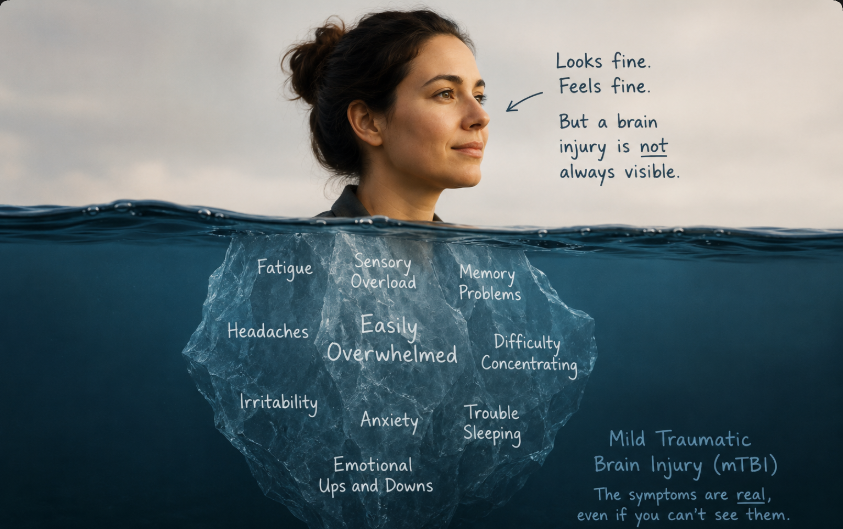
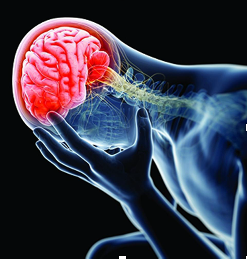
A new study by Tel Aviv University, Kaplan Medical Center and Shamir Medical Center (Assaf Harofeh) found that one in four children (25.3%) who have been discharged from the emergency room after a mild head injury are misdiagnosed and continue to suffer from persistent post-concussion syndrome for many years. This syndrome includes chronic symptoms such as forgetfulness, memory problems, sensitivity to light and noise, ADHD and even psychological problems and, instead of receiving treatment for the syndrome, they are mistakenly diagnosed as suffering from ADHD, sleep disorders, depression, etc. The misdiagnosis leads to treatment that is not suited to the problem, thus causing the children prolonged suffering.
The study was led by Prof. Shai Efrati of the Sagol Center for Hyperbaric Medicine and Research at Tel Aviv University and Shamir Medical Center (Assaf Harofeh), Dr. Uri Bella and Dr. Eli Fried of Kaplan Medical Center, and Prof. Eran Kotzer of Shamir Medical Center. The results of the study were published in the journal Scientific Reports.
“The objective of our study was to determine how many children in Israel suffer from persistent post-concussion syndrome,” says Dr. Fried of Kaplan Medical Center. “The children participating in the study arrived at the emergency room with mild head trauma and, after staying overnight for observation or being sent for a CAT scan of the head, they were discharged to go home.”
Prof. Efrati of Tel Aviv University states: “Persistent post-concussion syndrome is a chronic syndrome that results from micro damage to the small blood vessels and nerves, which may appear several months after the head injury, and therefore is often misdiagnosed as attention deficit disorders, sleep disorders, depression, etc. There are cases where children report headaches and are diagnosed as suffering from migraines or, for example, children who report difficulty concentrating and the doctor prescribes Ritalin. Unfortunately, these children continue to suffer for many years from various disorders and, instead of treating the real problem, which is the syndrome, they receive treatments that usually do not solve the problem.”
The study examined 200 children who suffered from a head injury and who were released from the emergency room after the need for medical intervention was ruled out. The researchers tracked the subjects for a period between six months and three years from their date of discharge and found that about one in four children released from the emergency room suffered from the chronic syndrome.
“It should be understood that the consequences of brain injury during childhood continue throughout life,” says Dr. Uri Bella, Director of the Pediatric Emergency Room at the Kaplan Medical Center. “Loss of any brain function will prevent the child from realizing his or her potential in education and in social life.”
Unlike damage to large arteries and noticeable damage to brain tissue, with a minor head injury, the damage is to the small blood vessels and neurons — and it is not detected on CAT scans of the head or on regular MRIs. Diagnosis of the syndrome requires long-term monitoring of the manifestation of symptoms as well as the use of imaging and functional tests of the brain. According to the researchers, the alarming findings demonstrate that changes in the approach are needed to be monitoring and treating these children.
“The purpose of an emergency room diagnosis is to determine whether the child suffers from a severe brain injury that requires immediate medical intervention,” adds Prof. Eran Kotzer, Director of the Emergency Rooms at the Shamir Medical Center. “Unfortunately, the way most medical systems operate today, we miss long-term effects and do not continue to monitor those children who leave the emergency room without visible motor impairment.”
“Treatment for a wide range of disorders will change if we know that the cause of the new problem is a brain injury,” concludes Prof. Efrati. “Proper diagnosis of the cause is the first and most important step in providing appropriate treatment for the problem.”